-1.png)
Jinja Template For Loop
Jinja Template For Loop - Mastering loops in jinja templating is essential for creating dynamic and responsive templates. Both methods provide flexibility and allow. This is running on google app engine with python 2.7 and jinja2 2.6, and the data structure is backed by memcache. Jinja's for loops enable you to iterate over data structures such as lists,. Another solution that's a bit cleaner imo is to initialize an empty list {% set count = [] %}, add an item to the list in every loop {% set __ = index.append(1) %} and use the length. To begin today's discussion on looping in jinja templating, let us first gain an understanding of what jinja really is all about.
With jinja2, you can easily iterate over a collection and output dynamic content on your website or. {{ result[0] }} {{ result[1] }}. This is running on google app engine with python 2.7 and jinja2 2.6, and the data structure is backed by memcache. Learn how to use the for loop in jinja to iterate over data and create dynamic templates. Is there another method to access the element in the list in jinja?

Jinja Template Python
With jinja2, you can easily iterate over a collection and output dynamic content on your website or. To create a loop in jinja, you use the for statement inside a template. For loops start with {% for my_item in my_collection %} and end with {%. {{ result[0] }} {{ result[1] }}. Learn how to use jinja loops to generate dynamic.
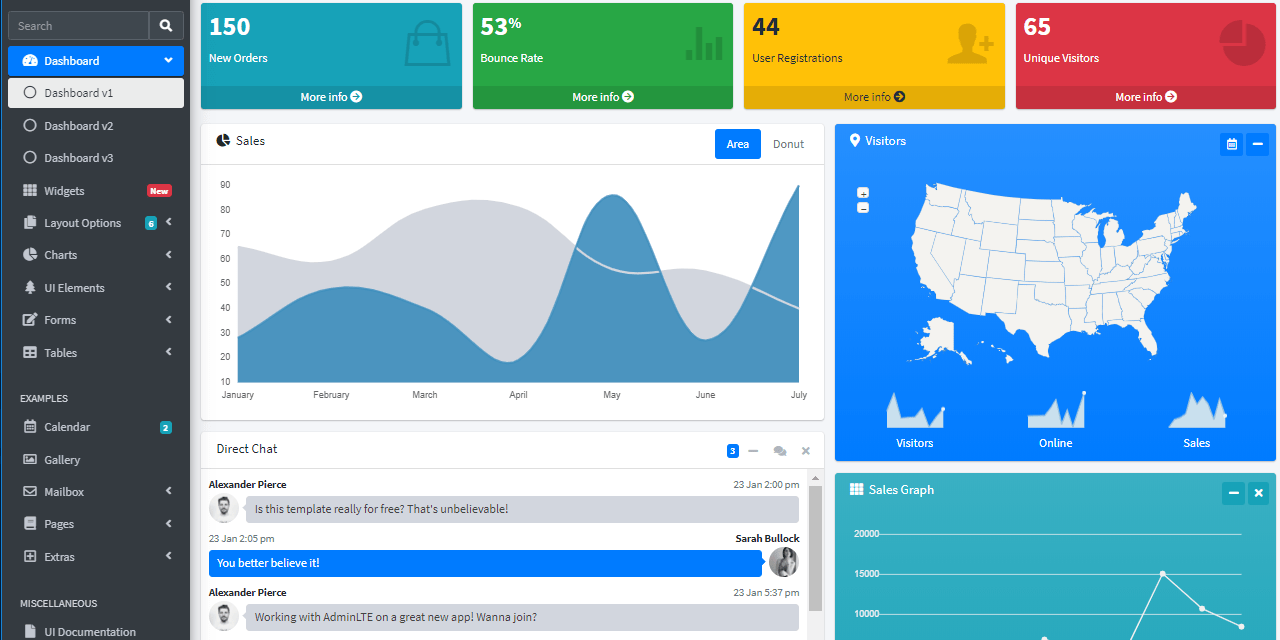
jinjatemplate · GitHub Topics · GitHub
With jinja2, you can easily iterate over a collection and output dynamic content on your website or. Learn how to use the for loop in jinja to iterate over data and create dynamic templates. Jinja2 being a templating language has no need for wide choice of loop types so we only get for loop. To use loops recursively, you basically.

Jinja Template Python
Jinja2 being a templating language has no need for wide choice of loop types so we only get for loop. You still need to output the loop variables inside braces. For loops start with {% for my_item in my_collection %} and end with {%. To create a loop in jinja, you use the for statement inside a template. Another solution.
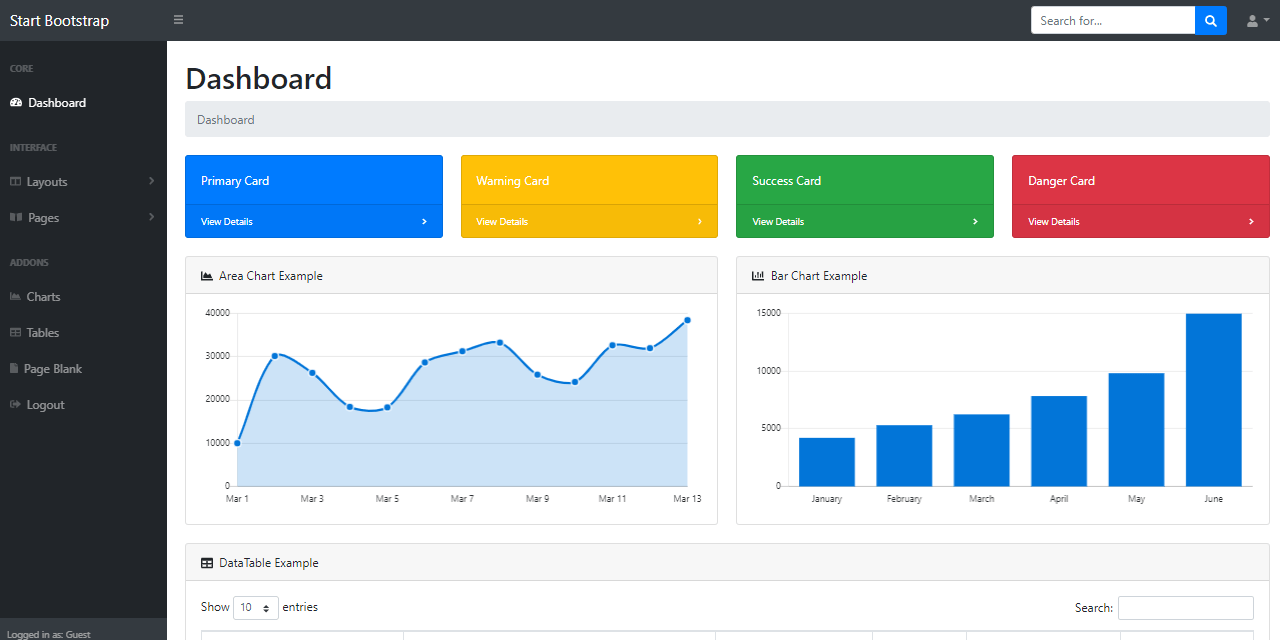
GitHub appgenerator/jinjatemplate Jinja Template Free
You've also learned how you can traverse through dictionary objects and combine for loops with conditional statements. Learn how to use jinja loops to generate dynamic content. For loops start with {% for my_item in my_collection %} and end with {%. To begin today's discussion on looping in jinja templating, let us first gain an understanding of what jinja really.

Jinja Template Example
Another solution that's a bit cleaner imo is to initialize an empty list {% set count = [] %}, add an item to the list in every loop {% set __ = index.append(1) %} and use the length. Incrementing a variable within a jinja template for loop can be achieved using the loop.index variable or by creating a custom filter..
Jinja Template For Loop - In the last few articles we have covered the 3 parts, and in this article we will cover the last part of understanding the jinja template. It is possible to store the outer loop index in a variable. The jinja syntax has various parts which. Jinja's for loops enable you to iterate over data structures such as lists,. Discover the different types of for loops and how to use them effectively. With jinja2, you can easily iterate over a collection and output dynamic content on your website or.
It is possible to store the outer loop index in a variable. Jinja's for loops enable you to iterate over data structures such as lists,. How do i do it? Since jinja 2.1, an extra cycle helper exists that allows. To properly understand this concept, let me use.
Jinja's For Loops Enable You To Iterate Over Data Structures Such As Lists,.
You still need to output the loop variables inside braces. For loops start with {% for my_item in my_collection %} and end with {%. Discover the different types of for loops and how to use them effectively. In the last few articles we have covered the 3 parts, and in this article we will cover the last part of understanding the jinja template.
Learn How To Use The For Loop In Jinja To Iterate Over Data And Create Dynamic Templates.
Another solution that's a bit cleaner imo is to initialize an empty list {% set count = [] %}, add an item to the list in every loop {% set __ = index.append(1) %} and use the length. It is possible to store the outer loop index in a variable. By understanding both traditional for loops and the elegant list comprehension. {{ item }} in this example, list is a sequence like a list or a tuple, and item is the variable that represents.
Both Methods Provide Flexibility And Allow.
This article introduces jinja and then describes the basics of working with it which includes how to render templates using jinja and python3, passing data to the template. Incrementing a variable within a jinja template for loop can be achieved using the loop.index variable or by creating a custom filter. How do i do it? To create a loop in jinja, you use the for statement inside a template.
Mastering Loops In Jinja Templating Is Essential For Creating Dynamic And Responsive Templates.
You can create a loop like this: This is running on google app engine with python 2.7 and jinja2 2.6, and the data structure is backed by memcache. {{ result[0] }} {{ result[1] }}. With jinja2, you can easily iterate over a collection and output dynamic content on your website or.