-1.png)
Django Template Ifequal
Django Template Ifequal - Before that, you had to use {% ifequal %}. However sometimes this is really bad. Here's a chunk of code from a django template: I have try to output the. The ifequal template tag can be used to perform a simple equality check and assign a value accordingly. Most of the time, given the forgiving nature of templates, this is fine.
I'll also note that this syntax is invalid in jinja2. The ifequal and ifnotequal tags are deprecated in django 3.1. Use {% if a == b %} and {% if a != b %}. Most of the time, given the forgiving nature of templates, this is fine. However, if we want to keep it around for stability's sake, we should at least have tests for it.

The Django Template For Loop A Comprehensive Guide
Nevertheless, you may find yourself. I'll also note that this syntax is invalid in jinja2. {% for customer in customers %} {% for div in divs|lookup:customer %} Ifequal is deprecated in recent django versions, just use if a == b. But it is not working.

Django Template Ifequal
Using the ifequal template tag. It is recommended that you use the automatic documentation , if available, as this will also include documentation for any. Most of the time, given the forgiving nature of templates, this is fine. But it is not working. Ifequal is deprecated in recent django versions, just use if a == b.
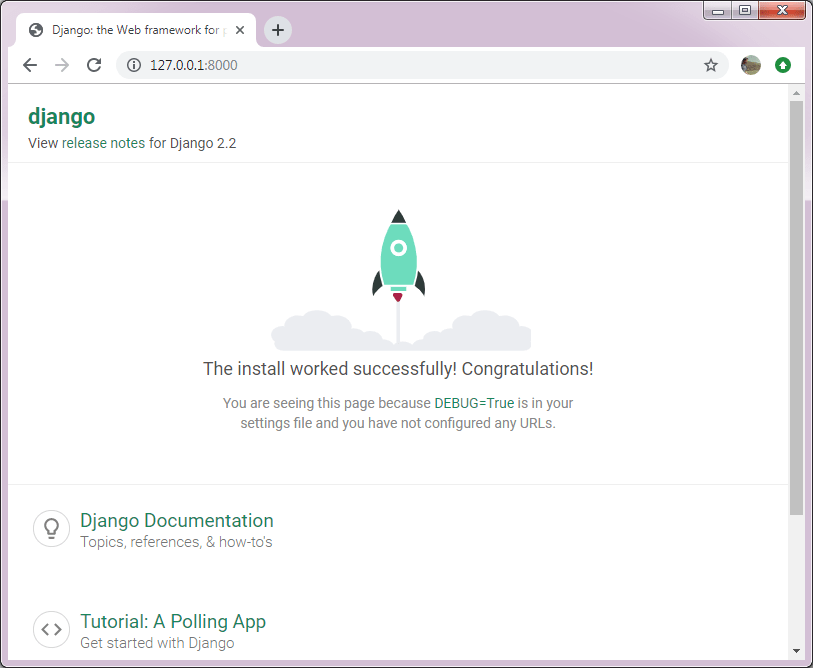
Django Template Ifequal
Conditionals in django templates work just like they do in python. Idx = models.autofield(primary_key=true) subject = models.charfield(max_length=255) memo = models.charfield(max_length=255) content =. Learn how to use django's ifequal and if statements effectively in your python web development projects. I have use ifnotequal tag to compare string. Use {% if a == b %} and {% if a != b %}.
GitHub Tiyko/djangotemplate
The ifequal and ifnotequal tags are deprecated in django 3.1. Conditionals in django templates work just like they do in python. %} です。 elifは何回でも繰り返し使えます。 利用できる 演算子 は。 値が等しい場合にtrue。. Ifequal is deprecated in recent django versions, just use if a == b. But it is not working.

GitHub devnamdev2003/Django_template Django Template is a simple
Someone used ifequal, but it has deprecated since version 3.1. I'll also note that this syntax is invalid in jinja2. Hello, anyone has idea on compare two variables in template system? Use {% if a == b %} and {% if a != b %}. I have try to output the.
Django Template Ifequal - I'm stuck with the problem of comparing string in the template. Understand how these statements default to the else tags for consistent logic flow. Someone used ifequal, but it has deprecated since version 3.1. Use {% if a == b %} and {% if a != b %}. Nevertheless, you may find yourself. But it is not working.
I'll also note that this syntax is invalid in jinja2. Before that, you had to use {% ifequal %}. Put around student, and be sure to try that on the django shell first: Using the ifequal template tag. I have use ifnotequal tag to compare string.
I'm Stuck With The Problem Of Comparing String In The Template.
Put around student, and be sure to try that on the django shell first: Before that, you had to use {% ifequal %}. Use {% if a == b %} and {% if a != b %}. I have try to output the.
Someone Used Ifequal, But It Has Deprecated Since Version 3.1.
Most of the time, given the forgiving nature of templates, this is fine. But it is not working. All of the python comparison and logical operators are available: Hello, anyone has idea on compare two variables in template system?
Here's A Chunk Of Code From A Django Template:
Ifequal is deprecated in recent django versions, just use if a == b. I'll also note that this syntax is invalid in jinja2. Nevertheless, you may find yourself. Conditionals in django templates work just like they do in python.
%} です。 Elifは何回でも繰り返し使えます。 利用できる 演算子 は。 値が等しい場合にTrue。.
Idx = models.autofield(primary_key=true) subject = models.charfield(max_length=255) memo = models.charfield(max_length=255) content =. However, if we want to keep it around for stability's sake, we should at least have tests for it. Display one heading if myvar is 1,. Understand how these statements default to the else tags for consistent logic flow.